
GaitAI · WalkScan
Turn a walking video into a clinician-ready movement report.
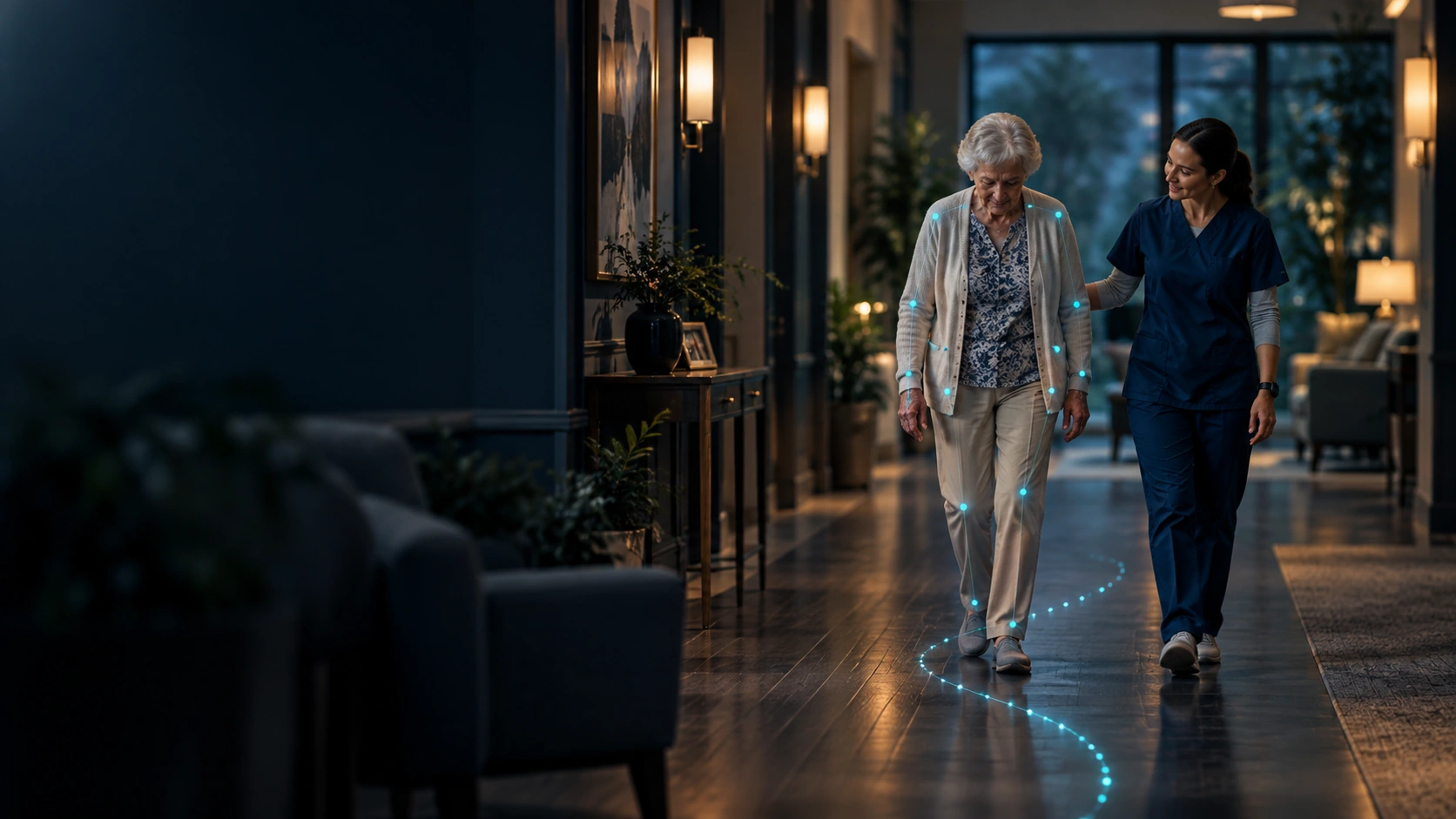
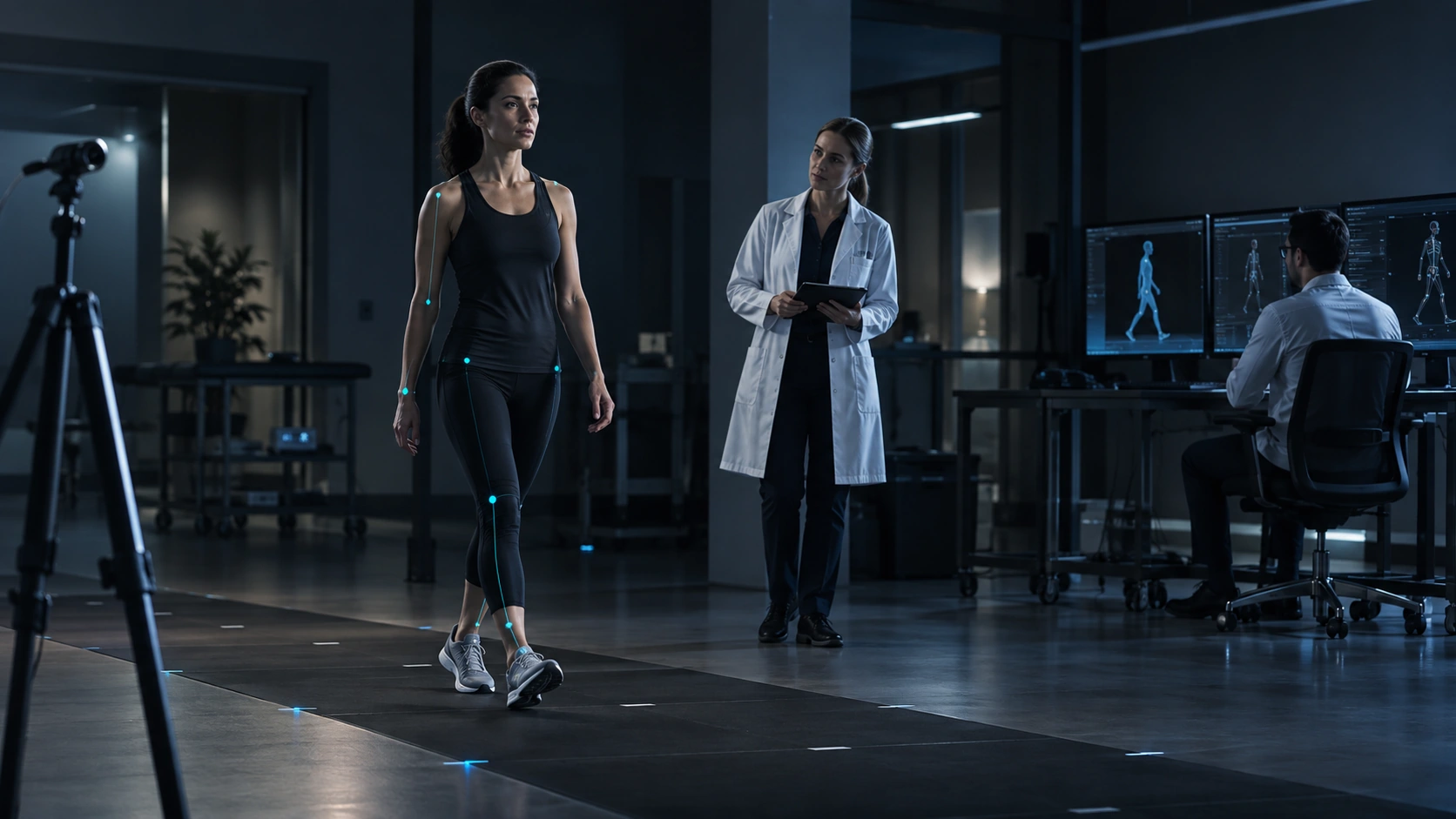
Analyzes a short walking video and turns it into gait and mobility metrics — ready as a downloadable PDF.
Walking speedCadenceStep / stride pattern+4 more
Two product families. One Movement Intelligence Platform. GaitAI's 24 modules share a common movement-processing foundation, with capability-specific pipelines for pose, gait, trajectory, sensor and privacy-aware analysis. Choose your environment, objective and available signals to see the best-fit modules.
Looking for personal or family health records? Explore GaitAI Care, our standalone health-record organiser.
MobilityCare and SecureVision also run as native Android apps, in internal testing today: see the MobilityCare app and the SecureVision app.
Gait assessment, fall-risk screening, rehabilitation monitoring, neurological and orthopedic movement tracking, sports movement and wearable mobility.
4 of 12 shown · see the full suite
Anomaly detection, crowd flow, worker safety and campus monitoring — plus a separate, governed group for identity and investigation.
4 of 12 shown · see the full suite
Product finder
Answer three questions — where you will deploy, what you need to understand, and what you can capture — and the finder names the modules documented for that combination, with the reason for each.
18 documented environments. This choice decides which objectives and capture modes apply below.
Choose an environment first — objectives are scoped to it.
Optional. A module that cannot work from what you have is left out rather than ranked low.
Choose an environment and an objective to see a recommended stack.
Want to see what the pipeline actually does with a signal before choosing modules? Open the Movement Intelligence Lab — an interactive demonstration with example values.
Compare modules
Inputs, capture sources, capabilities, outputs, best fit, documented environments and the research basis — from the same records the module pages use.
Pick a comparison above, or choose up to 3 modules yourself. Either way the rows are the same records the module pages use.
PERSONAL & FAMILY HEALTH
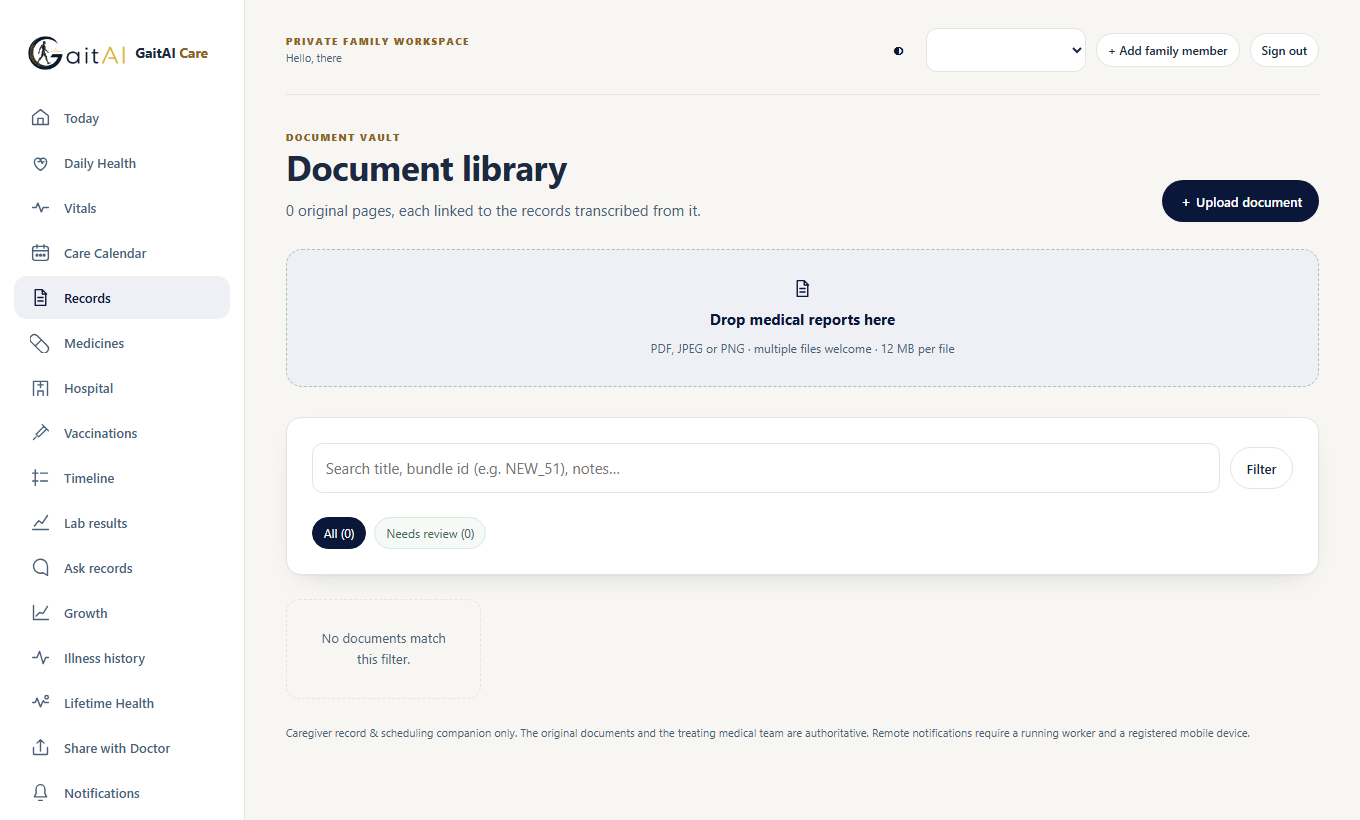
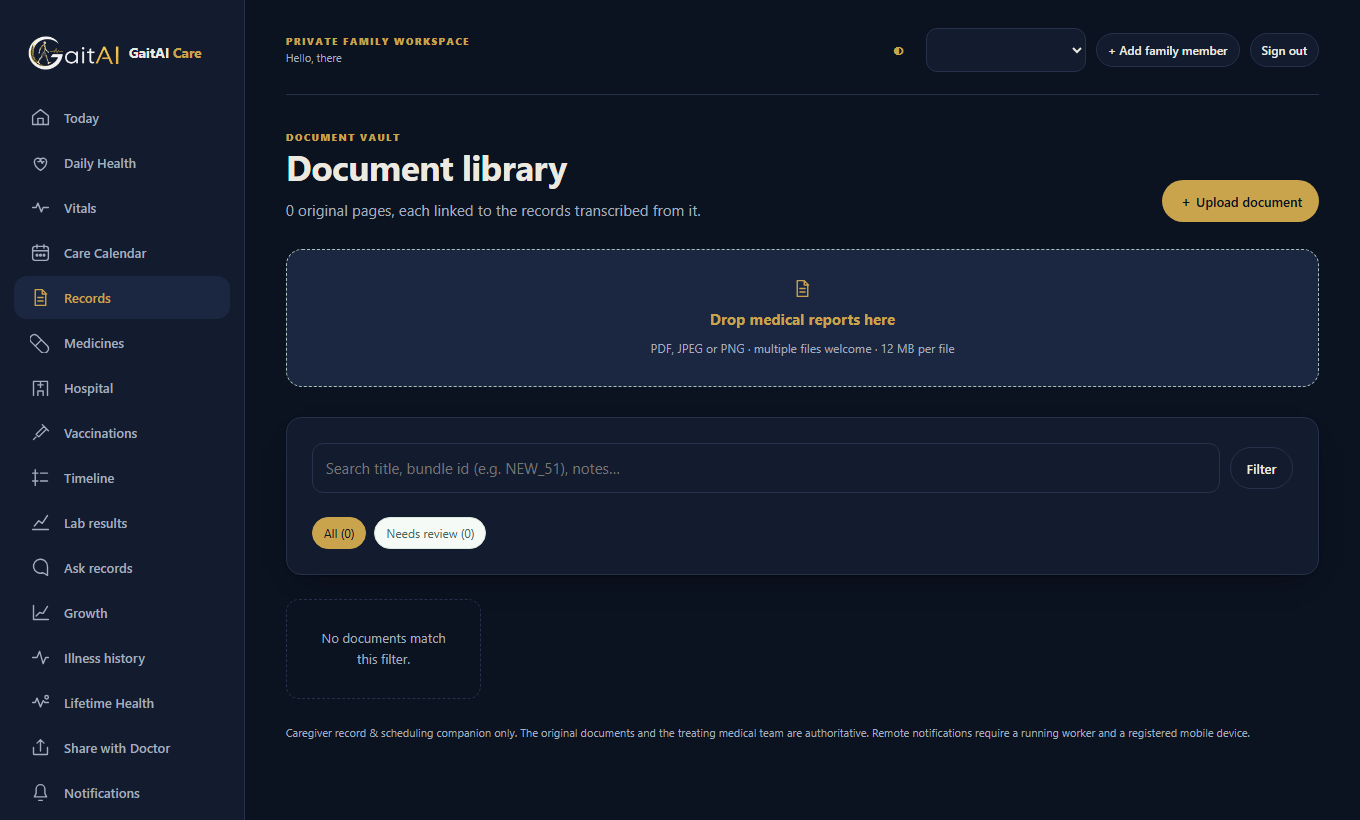
 GaitAI Care
Reports in one folder. Prescriptions in another. GaitAI Care gives your health records a home — across people, appointments and everyday care.
A standalone GaitAI product · Android Early Access
Filter across both families by capability or audience. Every card opens the product's own page, with an executive and a technical view.
Analyzes a short walking video and turns it into gait and mobility metrics — ready as a downloadable PDF.
Uses gait, balance, variability, posture and longitudinal movement trends to sort elderly and at-risk patients into low / medium / high screening categories for clinician review.
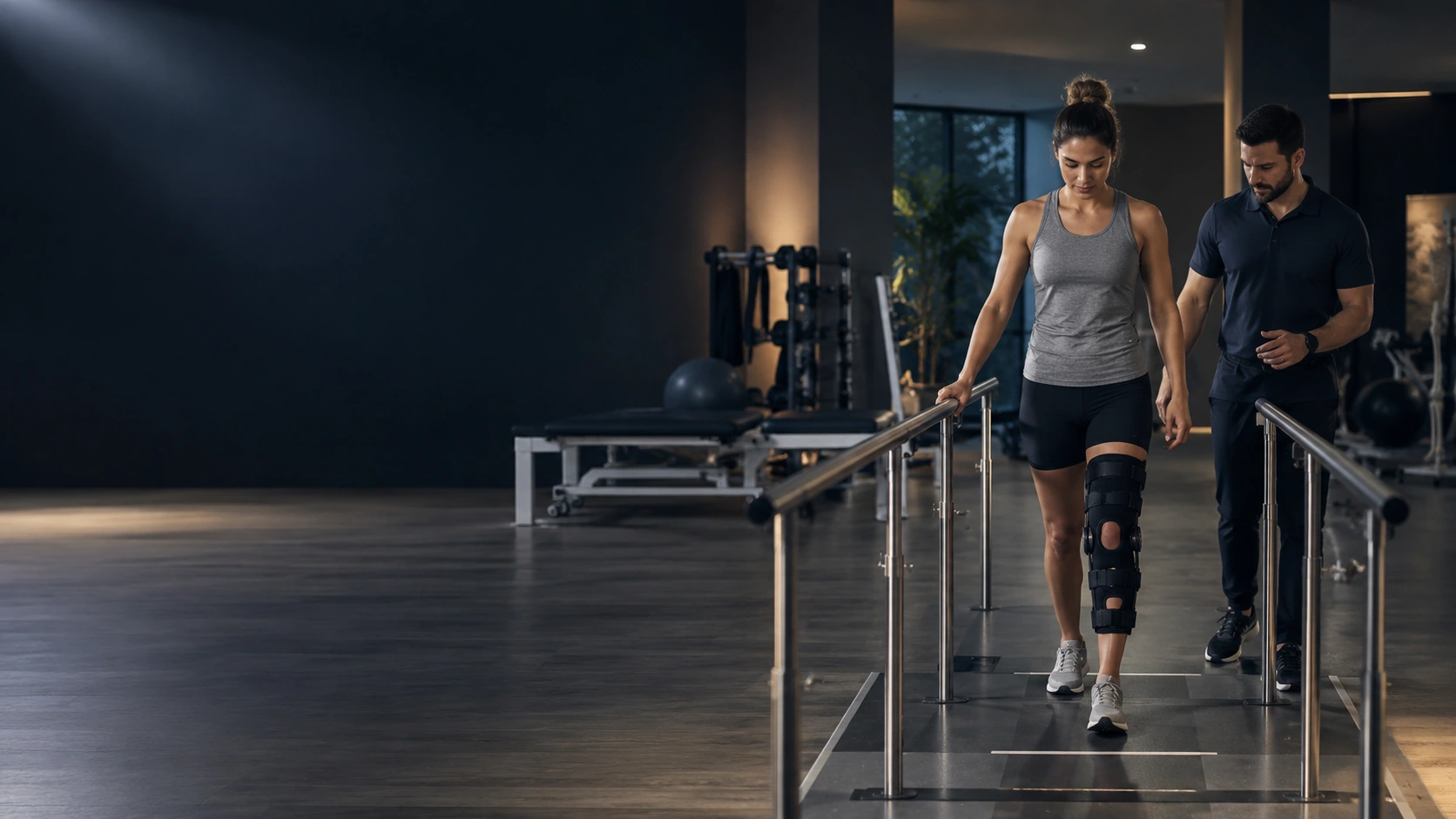
Compares movement across therapy sessions to make rehabilitation progress visible and motivating for both clinician and patient.
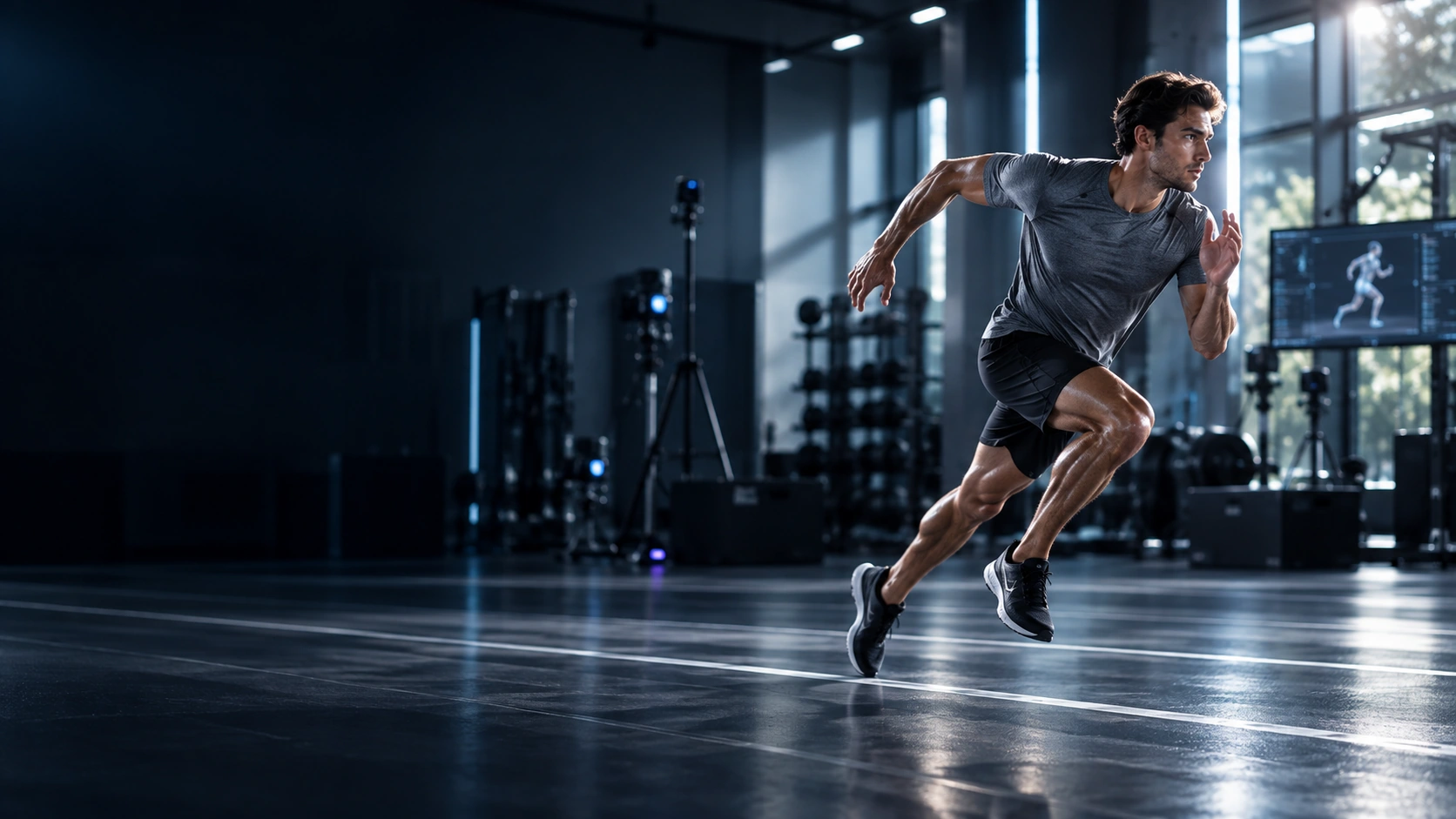
Analyzes walking and running mechanics to surface asymmetry, imbalance and fatigue-related change, supporting return-to-play review with longitudinal movement evidence.
Combines smartwatch, mobile and wearable sensor data to estimate daily mobility and activity patterns, gait variability and longitudinal fall-risk indicators for clinician, caregiver or remote-care review.
Supports ongoing monitoring of gait patterns linked to neurological movement difficulties, including freezing, shuffling and turning instability.
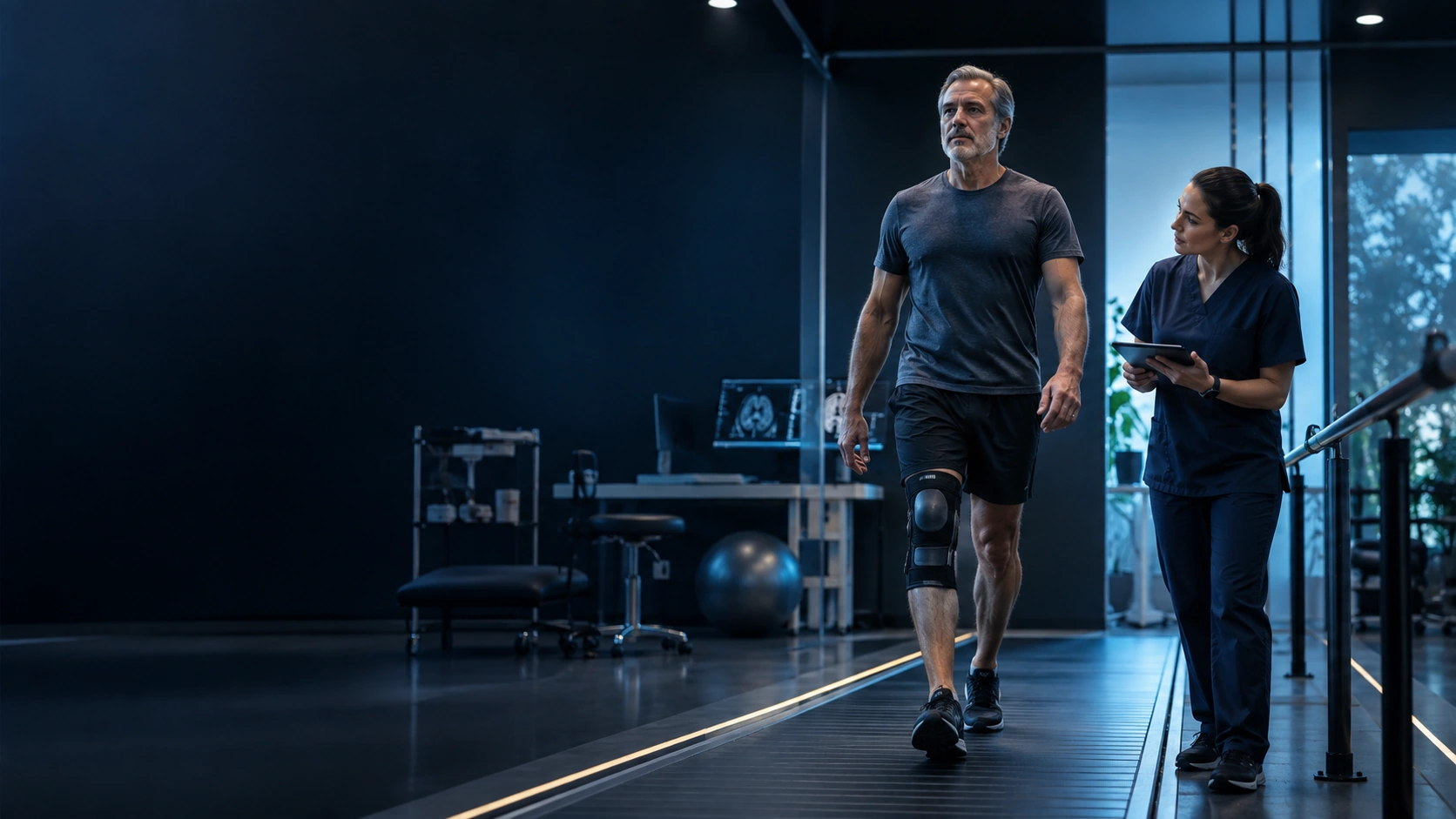
Evaluates gait changes related to joint, bone, muscle, foot, spine and post-surgical conditions.
Runs periodic mobility assessments for senior citizens and surfaces longitudinal mobility changes and decline indicators for caregiver or clinician review.
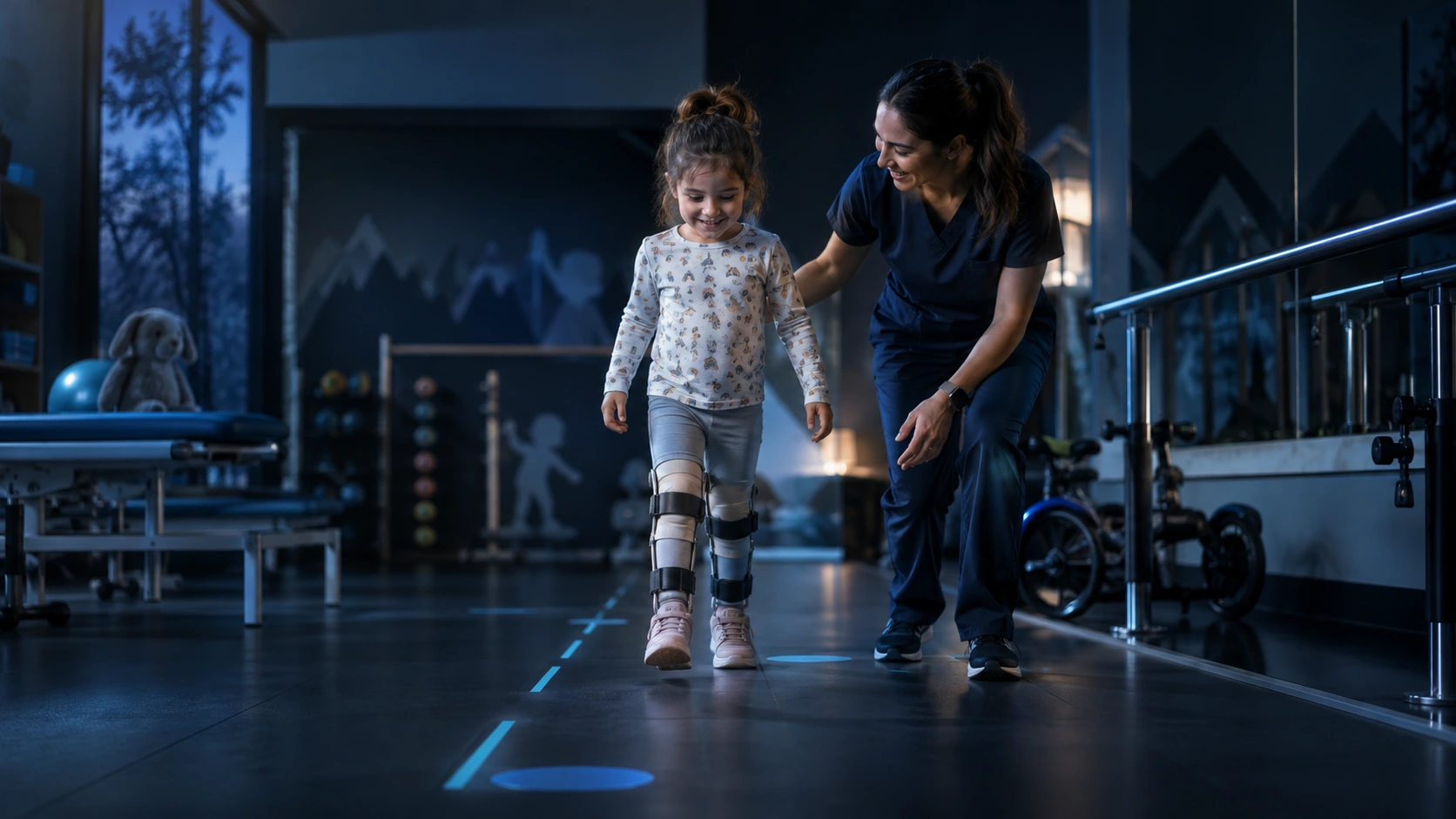
Assists with child gait observation and longitudinal monitoring for developmental or orthopedic concerns including CP and toe-walking.
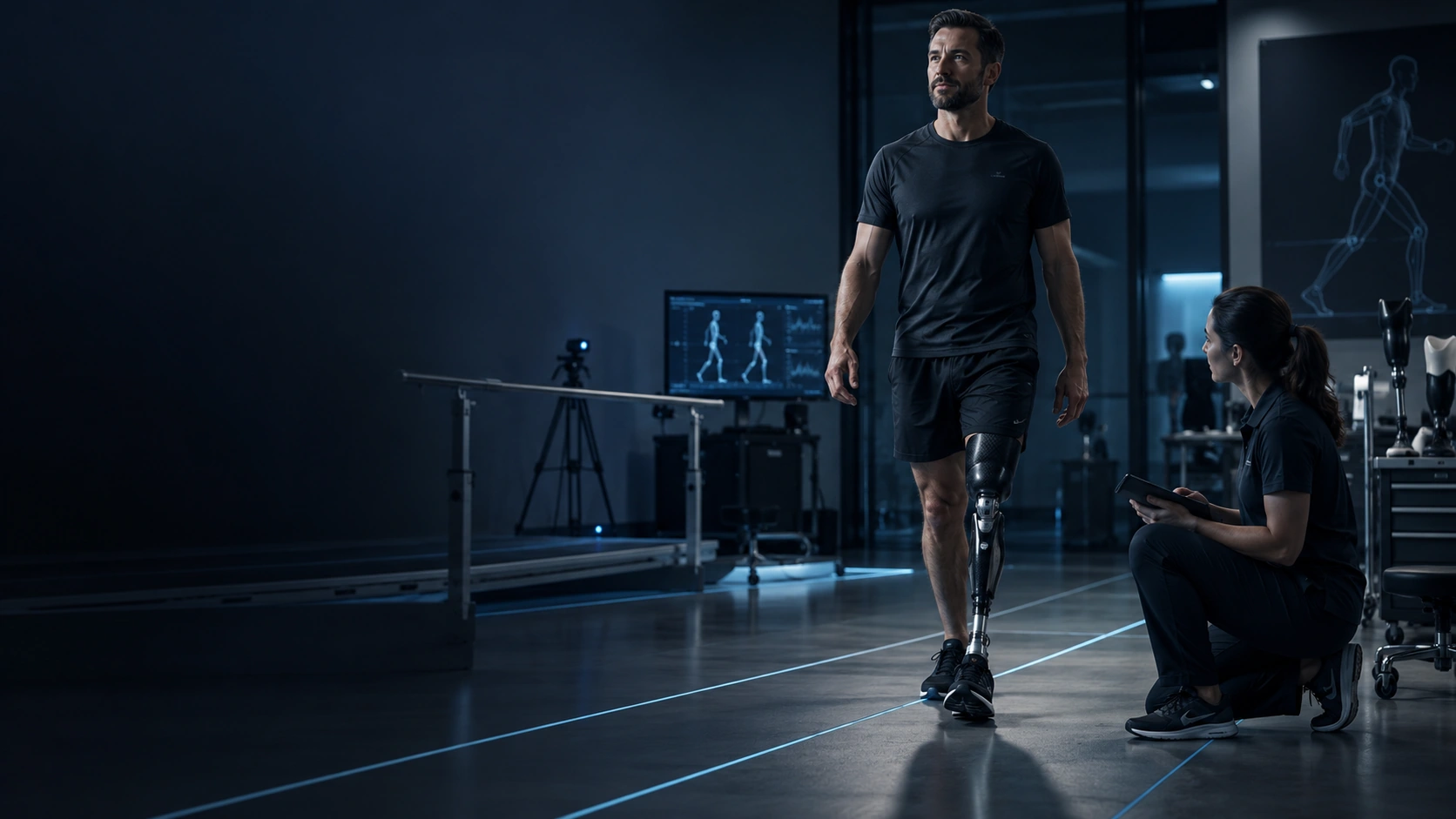
Quantifies movement changes associated with prosthetic or orthotic use — symmetry, cadence, gait timing, posture and loading proxies, compared before and after a fitting change.
Patients upload guided walking videos from home; clinicians receive AI-generated progress reports and review them on a unified dashboard.
Provides measurable gait and movement outputs for research studies, trials and device-evaluation workflows.
Surfaces candidate movement events — loitering, running, restricted-zone entry, tailgating-like patterns and perimeter events — for operator review, without requiring identity recognition.
Analyzes crowd movement, density, queues, bottlenecks, flow direction and abnormal crowd-motion indicators for smart-city scale public spaces.
Flags movement patterns associated with falls, slips, restricted-zone entry, fatigue-like movement and emergency movement events across industrial sites.
The architectural privacy layer for GaitAI: designed to support skeleton-only analytics, face blur, role-based access, configurable retention and audit logs in privacy-sensitive environments.
Surfaces movement-safety events across office parks, universities, hospitals and corporate campuses for operator review.
Provides crowd-movement indicators for high-density public events: stadiums, conferences, religious gatherings, concerts, rallies, exhibitions.

Surfaces unusual movement, loitering, queue congestion, staff-safety and emergency-flow indicators inside retail environments for operator review.
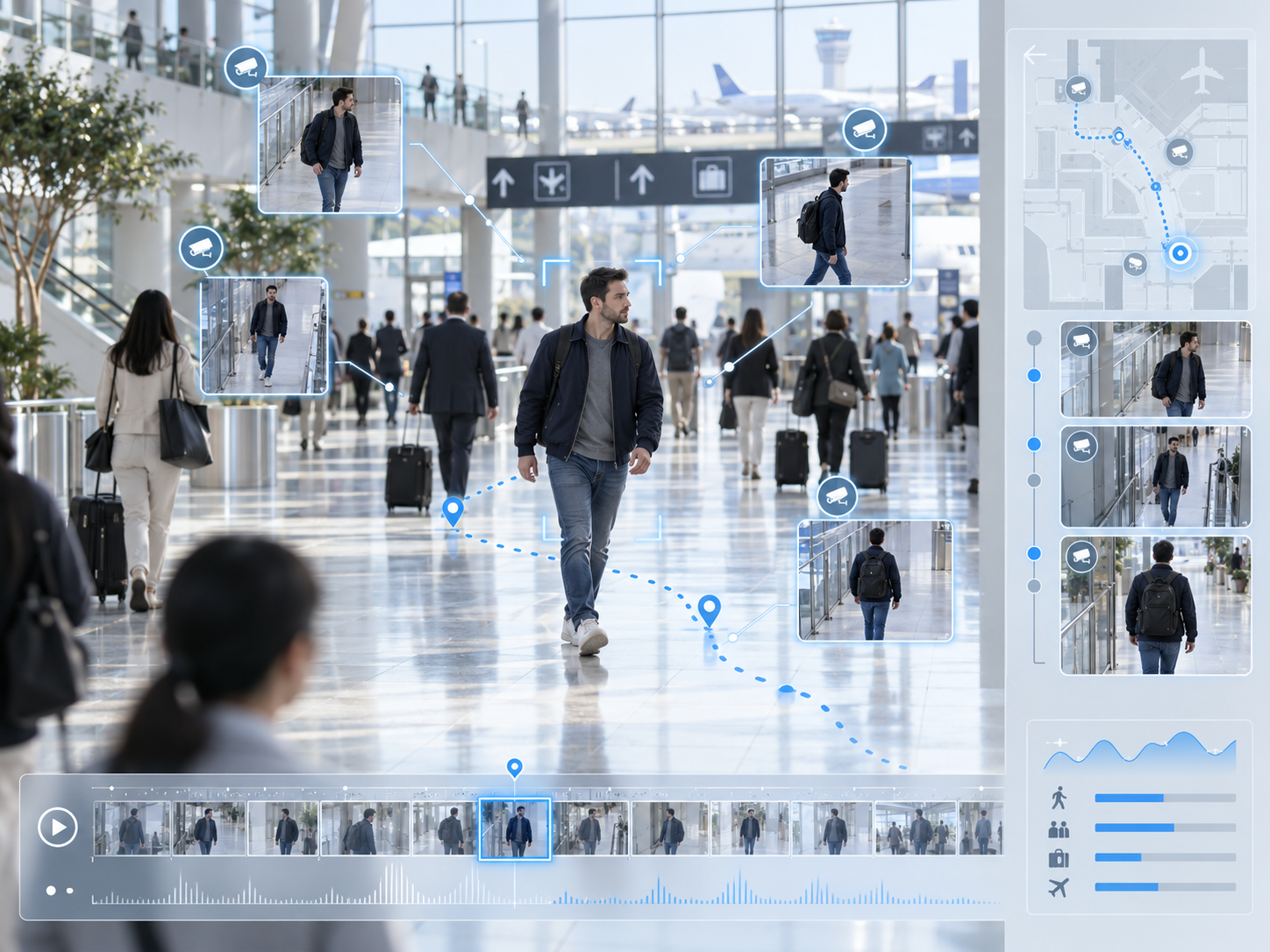
Searches uploaded CCTV footage for a person, movement pattern, timeline, or event path after an incident.
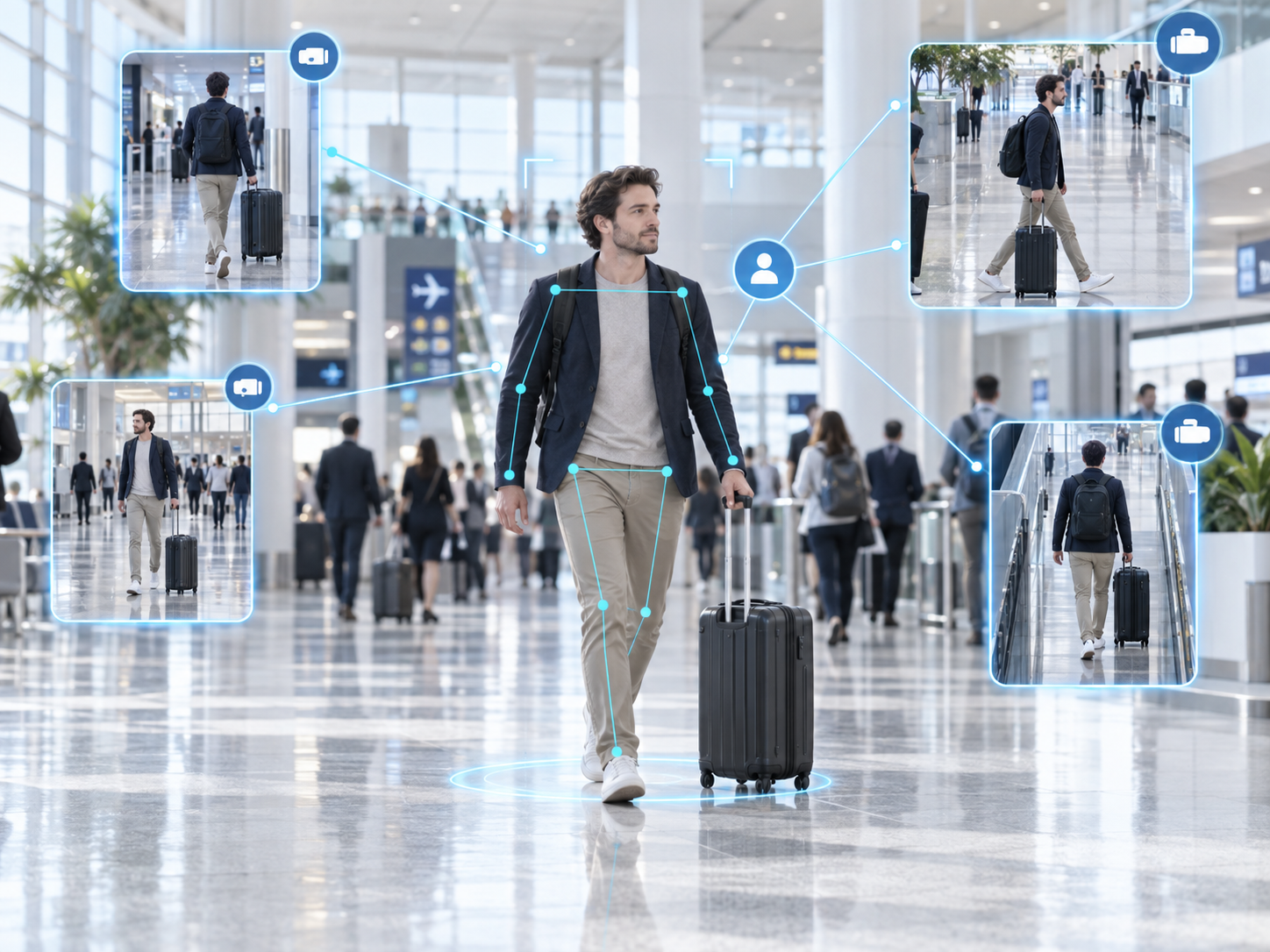
Produces confidence-based candidate matches across multiple camera feeds using movement and body-level signatures rather than face-only matching. Candidates are for trained review — never proof of identity.
Contributes a passive gait-consistency signal alongside card, face or mobile authentication in high-security spaces. It supports an existing credential rather than replacing it.
Policy-governed candidate matching against an authorized list, with confidence scoring, access controls and audit history. Restricted to environments with lawful authority — not offered for general-public surveillance.
Facility-safety and authorised-access movement intelligence configured for defence installations, in Army, Navy and Air Force modes. Human-supervised throughout: an indicator supplements existing procedure and never acts on its own.
Every capability against every environment, in three documented states — primary, supporting, or not used. Select a cell to see the modules and signals behind it.
13 capabilities × 18 environments
Select a cell to see the modules and signals behind it
| Capability | Physio | Hospitals | Sports | Elderly care | Neurology | Home care | Transit | Smart city | Campuses | Factories | Retail | Events | Fitness | Schools | Prosthetics | Insurance | Trials | Defence |
|---|---|---|---|---|---|---|---|---|---|---|---|---|---|---|---|---|---|---|
| Pose estimation | ||||||||||||||||||
| Gait analysis | ||||||||||||||||||
| Temporal modelling | ||||||||||||||||||
| Movement biometrics | ||||||||||||||||||
| Person re-identification | ||||||||||||||||||
| Human activity recognition | ||||||||||||||||||
| Trajectory analysis | ||||||||||||||||||
| Multimodal sensor fusion | ||||||||||||||||||
| Edge inference | ||||||||||||||||||
| Anomaly detection | ||||||||||||||||||
| Risk scoring | ||||||||||||||||||
| Privacy-aware analytics | ||||||||||||||||||
| Explainable reporting |
Select a cell to see which modules apply that capability in that environment, and which movement signals they read.
A GaitAI engagement is scoped around one environment and the modules it needs. Pilot scope and duration depend on the environment, integration requirements and the modules selected.
Agree the setting and the question it has to answer — a clinic corridor, a ward, an academy, a concourse, a plant floor — and which outcome matters there.
Point GaitAI at what already exists: a phone or clinic camera, existing CCTV or uploaded footage, or wearable and smartwatch signals.
Select the modules the environment needs. Products share one underlying movement-processing engine, so a single capture workflow can feed several of them.
Clinicians or operators review real outputs against their own judgement, and zones, thresholds and report formats are tuned to the site.
Run the workflow in place, review what the movement record shows, and decide together what a wider rollout would need.
Timelines are agreed with the deployment partner rather than quoted up front — they follow the environment, the integration required and the number of modules involved.