Defence & Armed Forces
Facility safety and authorised access for installations with a duty of care.
For defence organisations, GaitAI configures SecureVision for the installation around DefenceMotion — the module built for defence environments, in Army, Navy and Air Force modes. Alongside it, SuspiciousMotion surfaces restricted-zone entry and perimeter events for operator review, AccessMotion adds a gait-consistency signal beside existing credentials at authorised access points, and PrivacyGuard governs retention, roles and audit across the same camera estate — identity not required by default.
The operational problem
Defence and military organisations need facility-safety and access intelligence for personnel across very different installations — without identity-first monitoring of the people they have a duty of care to.
Why current workflows fall short
Safety events on large installations are found after the fact and access relies on credentials alone — while the people being observed are owed a duty of care that identity-first monitoring does not respect.
Recommended GaitAI product mix
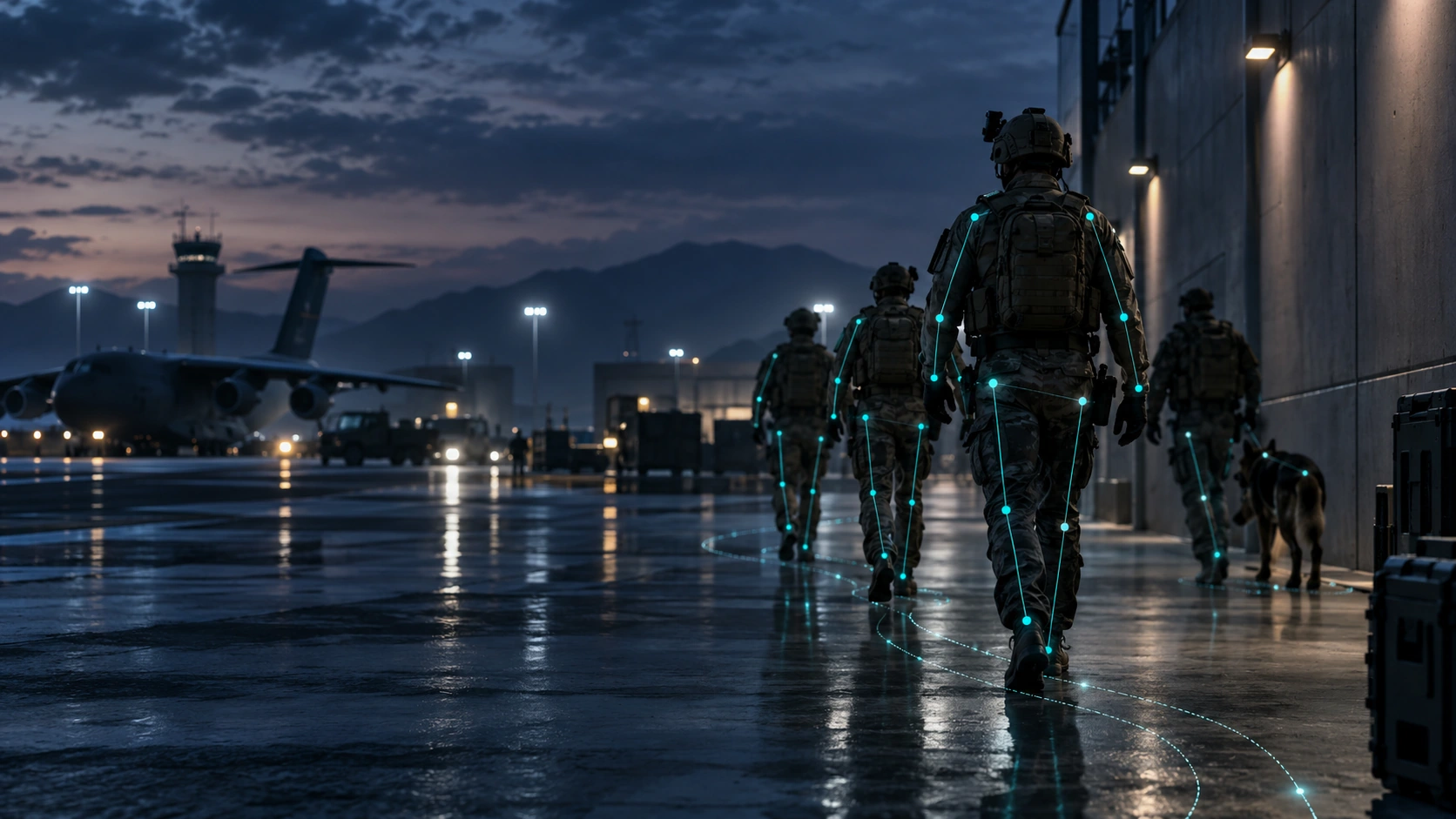
Movement intelligence for defence environments.
Facility-safety and authorised-access movement intelligence configured for defence installations, in Army, Navy and Air Force modes. Human-supervised throughout: an indicator supplements existing procedure and never acts on its own.
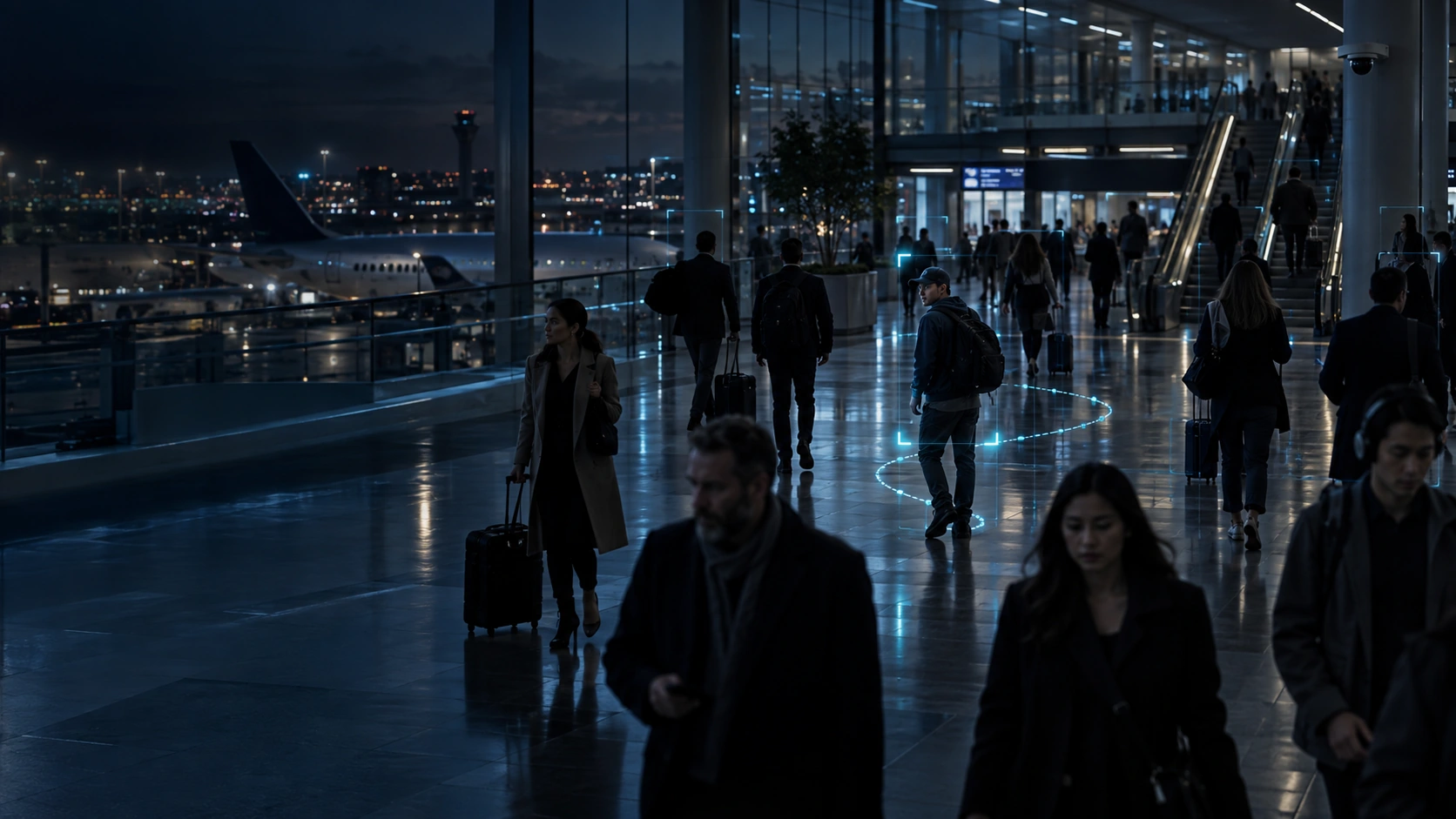
Anomalies surfaced — without identity matching as a prerequisite.
Surfaces candidate movement events — loitering, running, restricted-zone entry, tailgating-like patterns and perimeter events — for operator review, without requiring identity recognition.
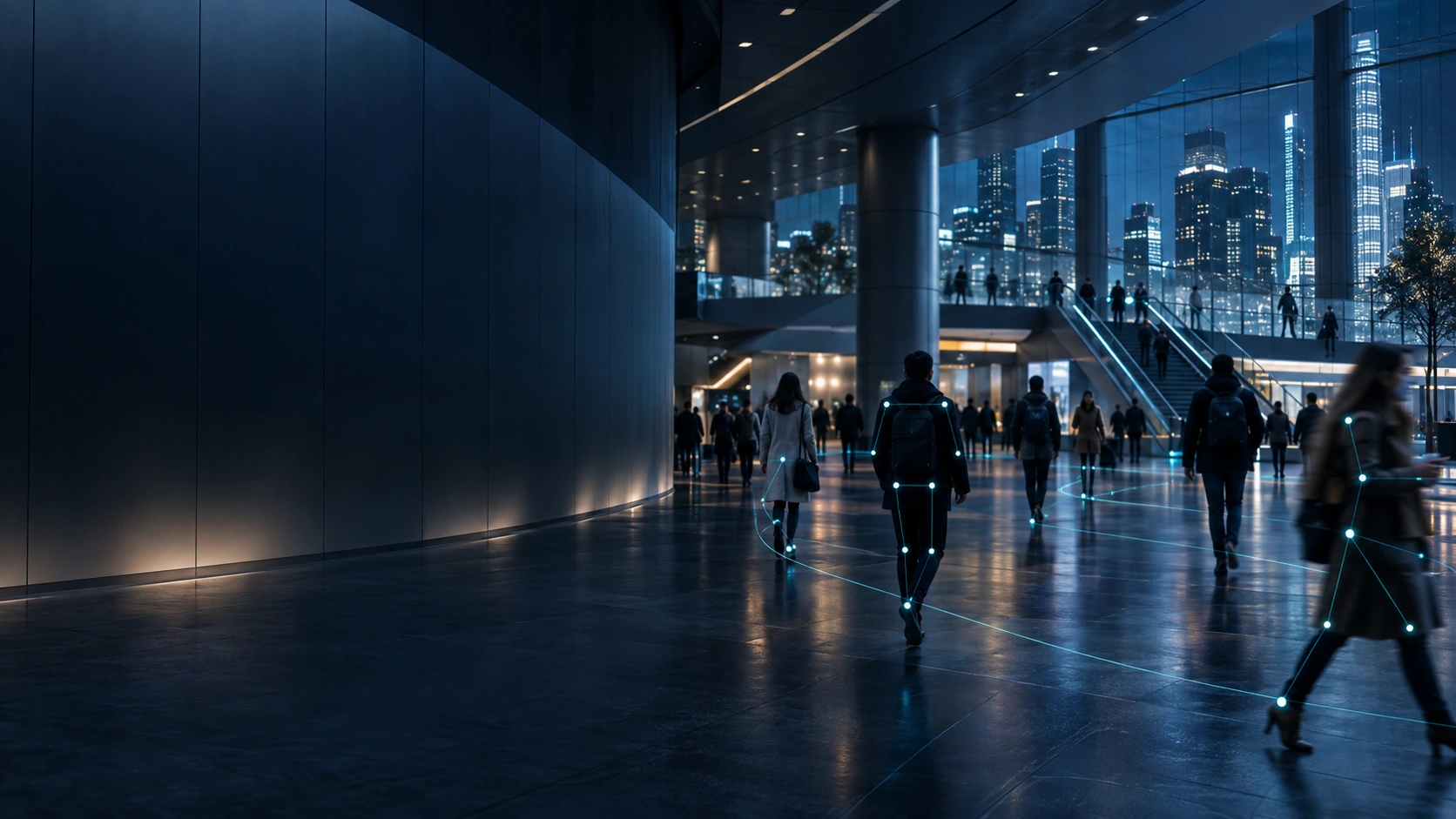
A passive second factor — your walk.
Contributes a passive gait-consistency signal alongside card, face or mobile authentication in high-security spaces. It supports an existing credential rather than replacing it.
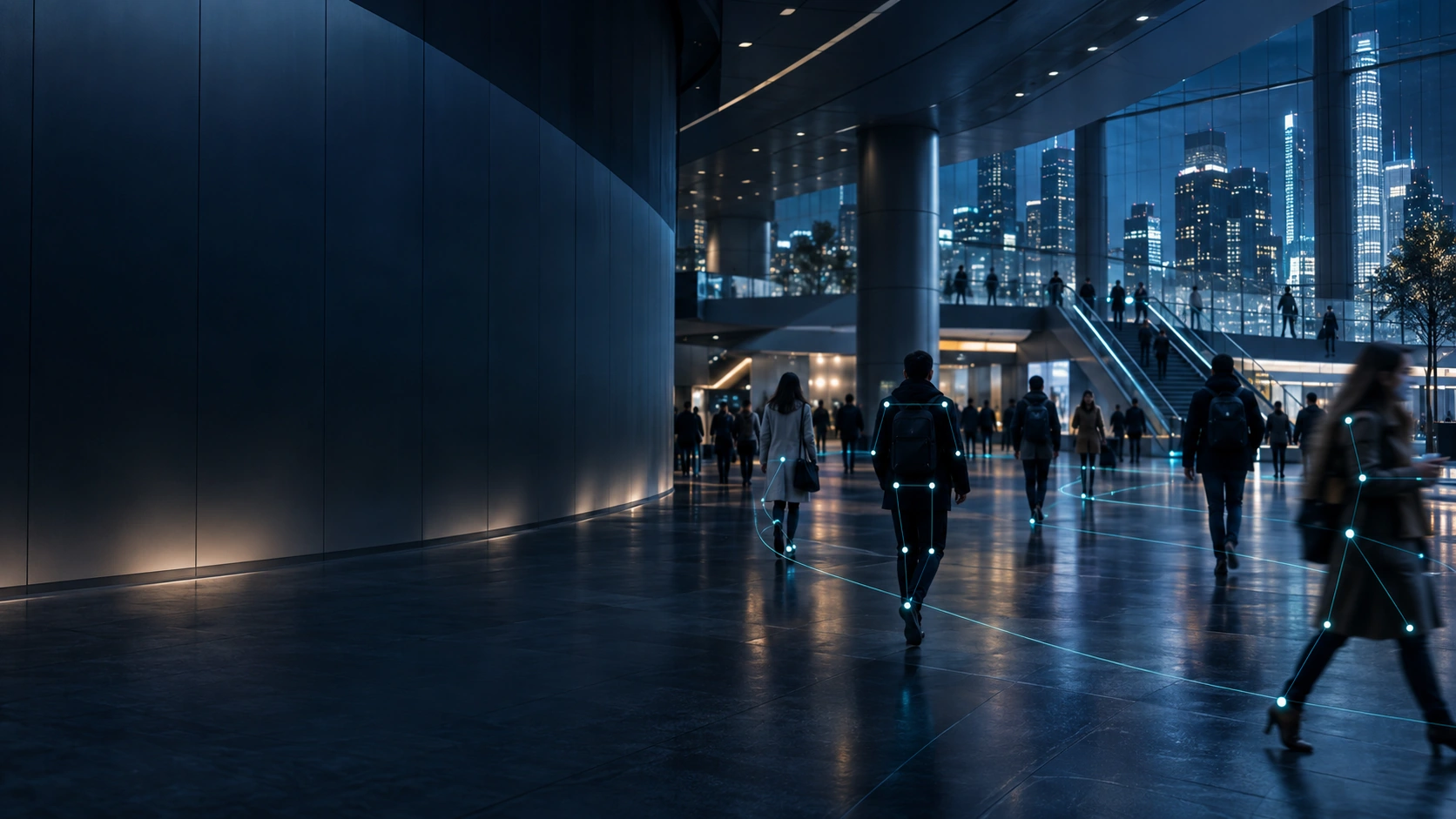
Movement intelligence — with task-relevant movement representations.
The architectural privacy layer for GaitAI: designed to support skeleton-only analytics, face blur, role-based access, configurable retention and audit logs in privacy-sensitive environments.
Example workflow
- 01DefenceMotion is configured in the mode that matches the installation — Army, Navy or Air Force
- 02The installation's zones, perimeters and access points are configured under the programme owner's policy
- 03Facility movement events surface on the operator timeline
- 04Controlled entries receive a gait-consistency indicator beside existing credentials, for enrolled personnel only
- 05Safety and access teams review and decide under service procedures; PrivacyGuard records the audit trail
Expected operational outputs
Facility movement-event alerts, access consistency indicators and a privacy and audit record across defence installations.
Privacy & responsible use
Designed to support consent-based capture, encrypted transfer, configurable retention and role-based access, with activity logging and skeleton-only processing modes. Deployment requirements depend on the applicable environment, organization and jurisdiction. Privacy-aware architecture does not automatically mean anonymity: pose, gait and trajectories may still carry identifying information. Movement analytics are designed to run without identifying individuals unless a deployment lawfully and explicitly requires it, and identity-related capabilities are intended only for lawful, authorized deployments with appropriate governance, access control and auditability. Outputs are decision support for trained operators — not autonomous enforcement. Defence and armed-forces deployments require an authorized programme owner, consent for enrolled personnel, purpose-limited retention, audit and qualified human review. It is not for autonomous targeting or lethal decisions, or for automated fitness-for-duty, disciplinary, promotion or personnel decisions. Any separately governed personnel process must establish its own legal basis, evidence and human decision-making.