Schools & academies
Developmental movement, observed consistently through growth.
For school environments, GaitAI can pair PediatricMotion developmental screening with SportsMotion for student athletes — structured movement observation across terms and seasons.
The operational problem
Children's developmental movement and sports injury-risk screening is rarely measured early.
Why current workflows fall short
Children's developmental movement and sports injury-risk screening are rarely measured early; occasional visual checks can't separate growth variation from patterns worth following up.
Recommended GaitAI product mix
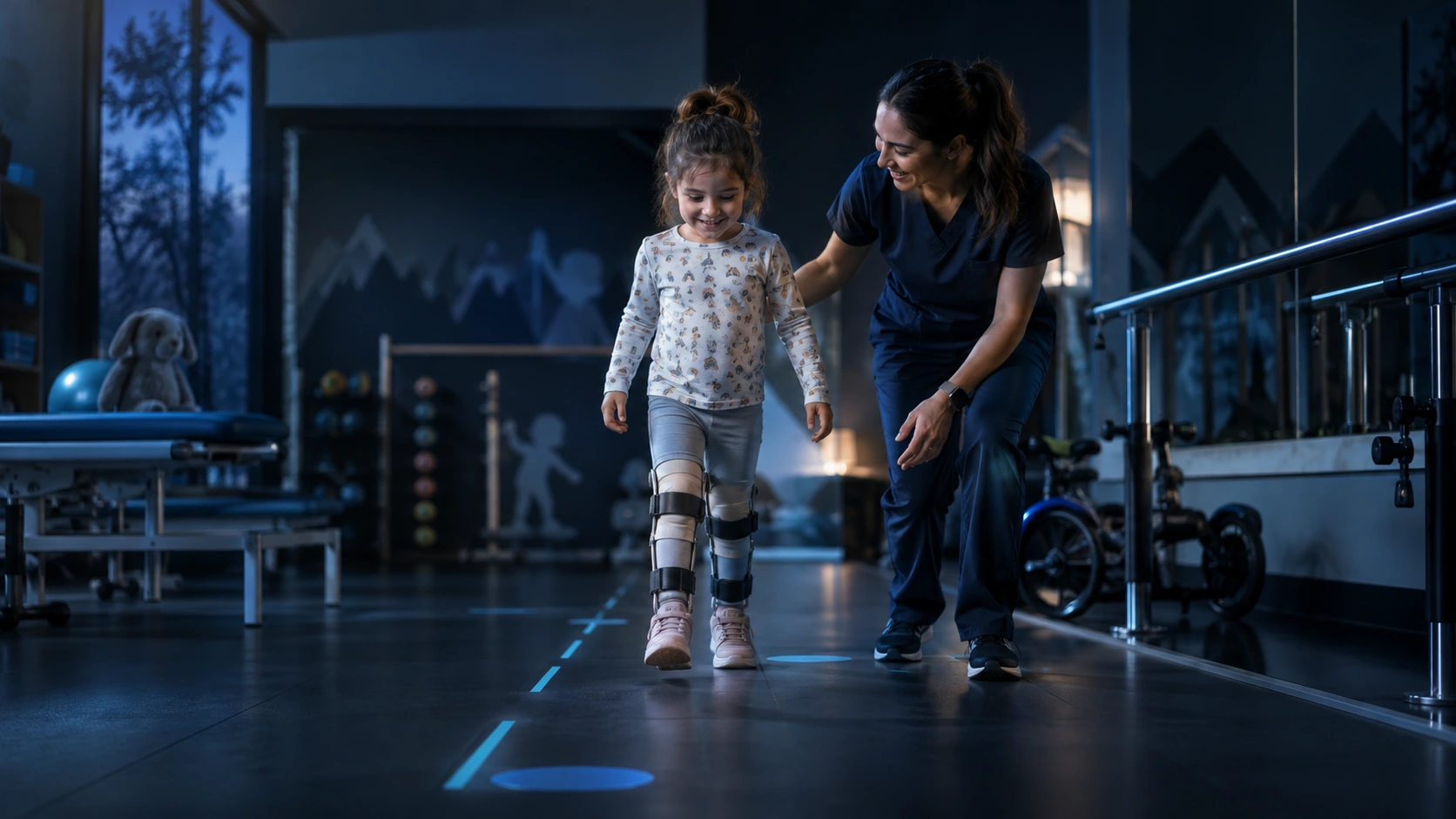
Movement screening for developing children.
Assists with child gait observation and longitudinal monitoring for developmental or orthopedic concerns including CP and toe-walking.
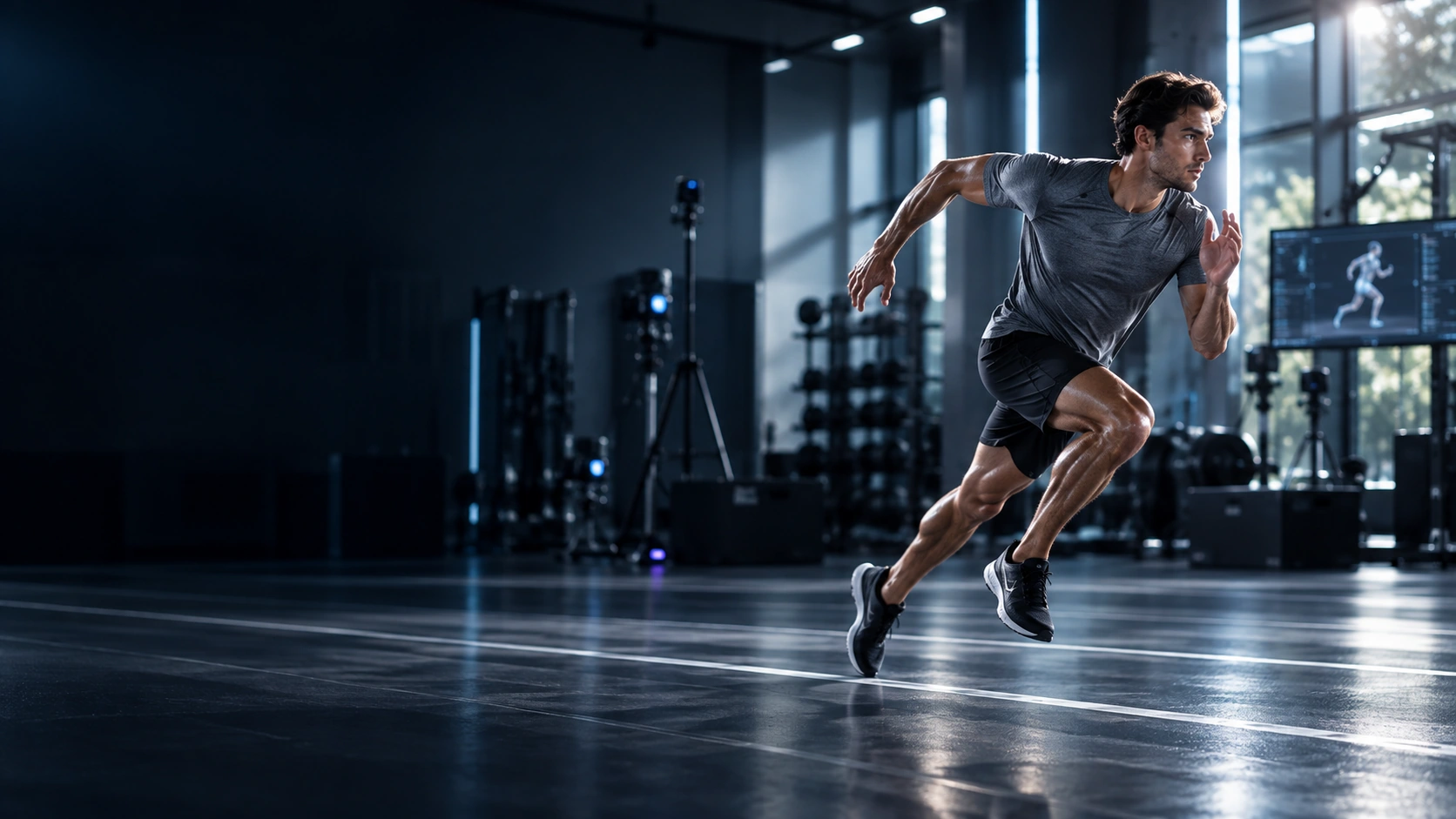
Athlete movement, asymmetry and fatigue — measured.
Analyzes walking and running mechanics to surface asymmetry, imbalance and fatigue-related change, supporting return-to-play review with longitudinal movement evidence.
Example workflow
- 01Consent-based screening program per term
- 02Short guided walks captured at school or clinic
- 03Indicators tracked across terms
- 04Flagged patterns referred to clinicians
- 05Sports teams screen athletes each season
Expected operational outputs
Developmental movement observation, sports injury-risk screening support and posture awareness.
Privacy & responsible use
Designed to support consent-based capture, encrypted transfer, configurable retention and role-based access, with activity logging and skeleton-only processing modes. Deployment requirements depend on the applicable environment, organization and jurisdiction. Privacy-aware architecture does not automatically mean anonymity: pose, gait and trajectories may still carry identifying information. GaitAI outputs are AI-generated movement metrics intended as decision support — they do not diagnose medical conditions and do not replace clinical judgement. Children and school workflows require guardian and institutional consent as applicable, limited retention, no automatic identity matching unless specifically authorized, and no automated educational decisions. Qualified people must review movement observations in context.