Home care & telehealth
Patients stay visible between visits.
For home-care environments, GaitAI can combine RemoteCare guided home assessments, WatchCare daily wearable trends and FallRisk stratification — giving care teams continuous visibility without extra visits.
The operational problem
Between visits, remote patients are hard to follow — and mobility decline can go unnoticed.
Why current workflows fall short
Between appointments, remote patients are effectively invisible: decline, stalled recovery or rising fall risk surfaces only at the next scheduled contact.
Recommended GaitAI product mix
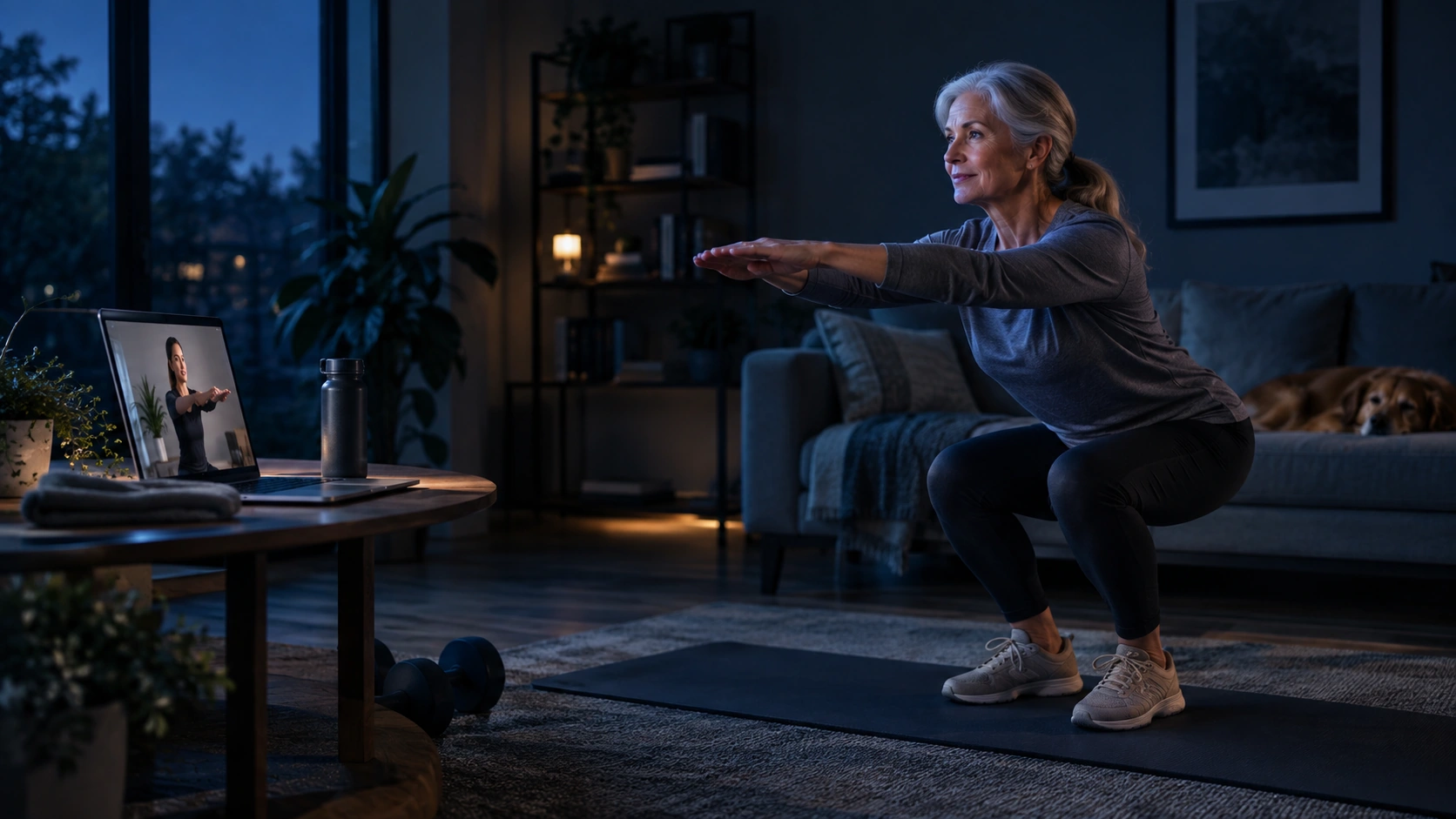
Walk at home. Turn movement into a clinician-ready report.
Patients upload guided walking videos from home; clinicians receive AI-generated progress reports and review them on a unified dashboard.

Continuous movement intelligence from the wrist.
Combines smartwatch, mobile and wearable sensor data to estimate daily mobility and activity patterns, gait variability and longitudinal fall-risk indicators for clinician, caregiver or remote-care review.
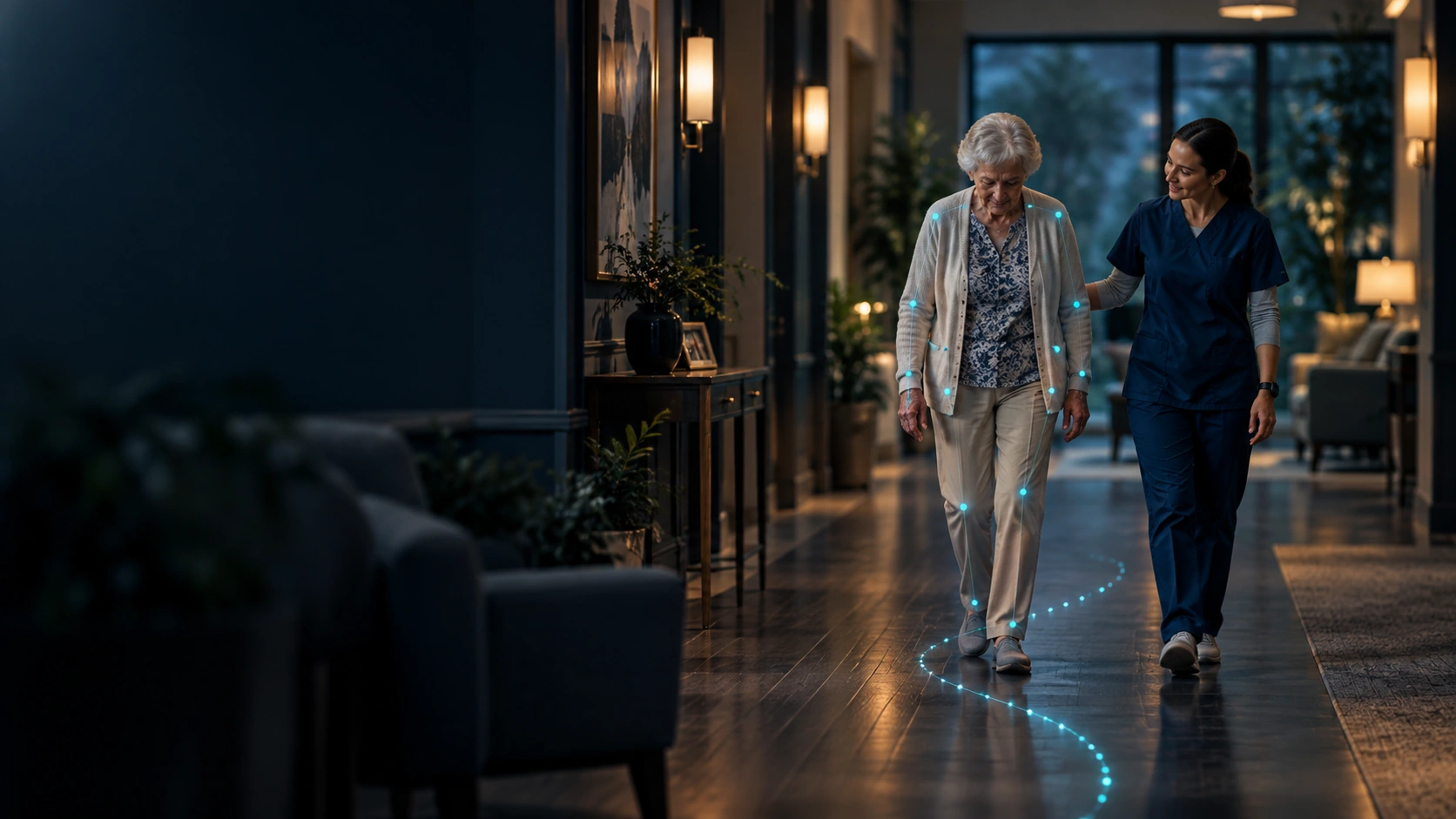
Surface mobility decline and fall-risk indicators early.
Uses gait, balance, variability, posture and longitudinal movement trends to sort elderly and at-risk patients into low / medium / high screening categories for clinician review.
Example workflow
- 01Patient receives guided capture instructions
- 02Short walks recorded at home on a schedule
- 03Quality-checked analyses reach the clinician dashboard
- 04Wearable trends stream between assessments
- 05Care team follows up when movement changes
Expected operational outputs
Remote assessment, daily mobility trend and caregiver/clinician visibility between visits.
Privacy & responsible use
Designed to support consent-based capture, encrypted transfer, configurable retention and role-based access, with activity logging and skeleton-only processing modes. Deployment requirements depend on the applicable environment, organization and jurisdiction. Privacy-aware architecture does not automatically mean anonymity: pose, gait and trajectories may still carry identifying information. GaitAI outputs are AI-generated movement metrics intended as decision support — they do not diagnose medical conditions and do not replace clinical judgement.